
search
Expose the operational blind spots and systemic flaws in your business architecture that unintentionally invite fraud, and learn to engineer impenetrable controls.
Many fraud prevention programmes focus on identifying bad actors, strengthening controls, and detecting suspicious activity. Yet some of the most significant fraud losses occur not because controls are absent, but because organisations unintentionally create environments that make fraud easier to commit. Product design decisions, operational processes, customer onboarding models, performance incentives, exception handling procedures, and growth strategies can all introduce vulnerabilities that sophisticated fraudsters are quick to exploit.
In rapidly evolving industries, particularly those driven by technology, automation, and scale, fraud risks often emerge from the interaction between business objectives and control frameworks. Pressure to improve customer experience, accelerate growth, reduce friction, or increase operational efficiency can create gaps that are difficult to identify until losses begin to materialise. In many cases, fraudsters are not breaking controls; they are simply using systems exactly as they were designed.
This session examines fraud through the lens of organisational design. Participants will explore how business processes, governance decisions, risk tolerances, and incentive structures can unintentionally generate fraud exposure. The course provides practical insight into identifying hidden vulnerabilities, understanding how fraudsters exploit legitimate processes, and designing systems that are resilient to abuse without compromising business objectives.
Key Topics Discussed:

BSA/AML Officer in Fintech
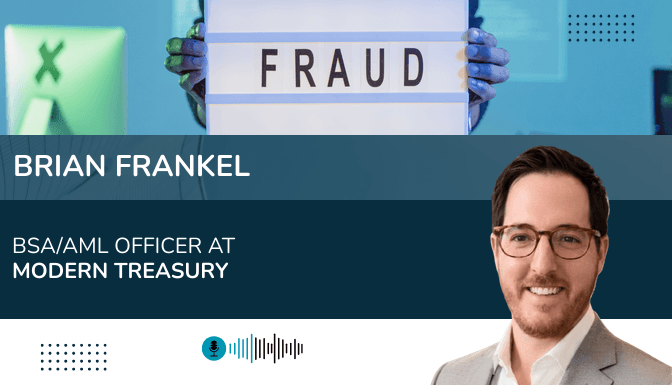
Brian Frankel is a compliance and risk management professional who focuses on designing strategic frameworks that balance risk and growth while supporting business priorities in high-risk areas. He works to drive cross-functional alignment, advise on compliance technology solutions, and strengthen the effectiveness of governance frameworks. He leads initiatives including the development of key risk indicators (KRIs), self-service dashboards for AML, fraud, and sanctions monitoring, as well as change management programs. His expertise combines strategy, team leadership, and data visualization to enhance organizational compliance capabilities and operational insight. Certified as both a CAMS and CFE professional, Brian brings a data-driven approach to compliance and governance, with a strong emphasis on collaboration and scalable solutions. He is passionate about aligning compliance with business objectives and helping organizations navigate complex regulatory environments effectively.