by learnformula
search
For Business
Team license & compliance management
For Higher Education
Academic partnerships
For Government Agencies
Government training solutions
For Instructors & Course Creators
Teach on our marketplace
Become a Sponsor
Reach 9M+ professionals
Log inStart 7-Day Free TrialStart Free TrialStart Free Trial
search
Courses/Information Technology/Cybersecurity

The Cost of Convenience Series: Access Points: Devices, Networks, and SIM Swapping

Expose the hidden security trade-offs of modern connectivity and protect your devices, networks, and mobile identity from exploitation.
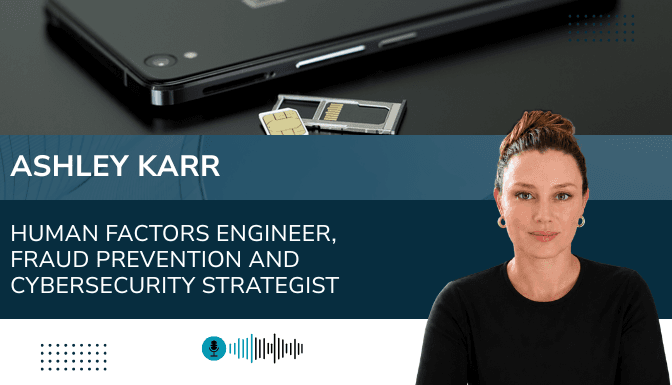
Created byAshley Karrworkspace_premium
BeginnerUpdated Oct 13, 2026
The Cost of Convenience Series: Access Points: Devices, Networks, and SIM Swapping

What You'll Learn

check_circleExplain how devices, networks, and phone systems function as primary access points in modern cyber fraud
check_circleIdentify common methods used in SIM swapping and telecom-based account compromise
check_circleEvaluate vulnerabilities in Wi-Fi, device sessions, and recovery processes that enable unauthorized access
check_circleApply practical behavioral strategies to reduce exposure across connected digital environments

About This Course

Security breaches rarely begin with passwords alone—they begin with access. “The Cost of Convenience Series: Access Points: Devices, Networks, and SIM Swapping” explores the often-overlooked infrastructure that quietly enables account compromise in the modern digital world.

In this course, Ashley Karr examines how fraudsters exploit the systems that connect our digital lives: mobile devices, phone numbers, Wi-Fi networks, browser sessions, recovery mechanisms, and telecom infrastructure. Special focus is given to SIM swapping and phone-based authentication, where control of a single number can unlock access to multiple accounts and services.

Participants will gain a practical understanding of how access moves through interconnected systems and how attackers exploit weak points that most users never consider. Rather than relying on technical deep dives, the session emphasizes clear, real-world behaviors and structural awareness to help reduce exposure and strengthen everyday digital resilience.

Key Topics Discussed:

  • SIM swapping and phone number takeover techniques
  • Telecom vulnerabilities and phone-based authentication risks
  • Network and Wi-Fi exposure points in everyday environments
  • Device compromise and session persistence threats
  • Recovery flows tied to mobile numbers and email access
  • Weaknesses in multi-factor authentication (MFA) systems
  • How attackers chain access across devices and platforms
  • Operational habits that reduce exposure across connected systems
  • Building safer device, network, and communication practices

Your Instructor

Ashley Karr
Ashley Karr

Human Factors Engineer, Fraud Prevention and Cybersecurity Strategist

menu_book10 courses
star25 reviews

Ashley Karr is a human factors engineer and product design strategist with nearly two decades of experience working at the intersection of human behavior, complex systems, and applied technology design. Her work focuses on how people interact with modern digital environments where convenience, speed, distraction, and cognitive overload often shape decisions as much as intent or awareness. She has worked across finance, enterprise technology, cybersecurity-adjacent systems, identity protection, and large-scale digital product environments, including roles with organizations such as Apple, JPMorgan Chase, Oracle, and T-Mobile for Business. Her work examines how modern fraud operates in practice, not only through technical means but through predictable patterns of human behavior under pressure, trust, and limited attention. She focuses on how manipulation is engineered and scaled within connected systems, why traditional fraud prevention approaches often fail, and where system design unintentionally increases exposure. Her areas of focus include fraud prevention, digital safety, identity protection, human factors engineering, cybersecurity awareness, scam reduction, and operational resilience in complex digital environments.

Credit Information

What Students Are Saying

0.0
Student's Choice
0 reviews

Frequently Asked Questions

We are a registered provider with 327+ associations and regulatory bodies worldwide. We operate across 29 global markets including Canada, the US, Australia, and the UK. Every course page clearly displays its specific accreditations. Upon completion, you receive a professional certificate that can be validated online. Our certificates include all necessary accreditation details, credit hours, and completion dates, and are formatted specifically to meet the submission requirements of most global regulatory bodies.

You May Also Like

Accounting & Tax: Technology for Accountants

Claude Fundamentals for Accountants (2026 Update)

star5.0(518)
2.5 CPD hrs
Ethics: Business Ethics

The Ethical Detective: AI and the New Fraud Frontier

star4.9(287)
2 CPD hrs
Finance: Corporate Finance

Business Growth Financial Management

star5.0(5)
3 CPD hrs