LF logo
by learnformula
search
LearnFormula BusinessLog in
search
Courses/Ethics/Business Ethics

Conducting Ethical Investigations in Fraud Matters

Master the balance between relentless fraud detection and strict ethical standards to gather unshakeable evidence and protect organizational integrity.
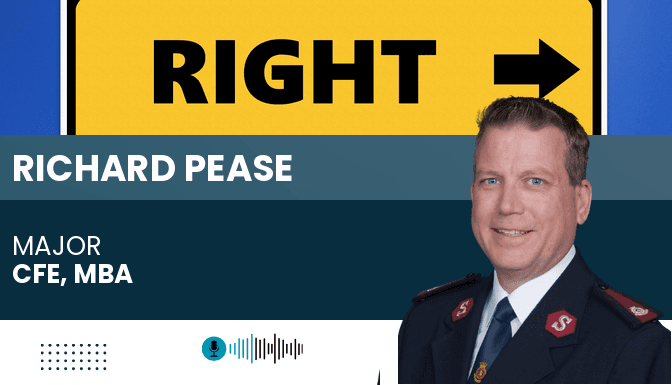
Created byRichard Pease
Editor's Score ·5.0/5BeginnerUpdated Sep 9, 2026
Conducting Ethical Investigations in Fraud Matters

What You'll Learn

check_circleIdentify the core ethical principles that underpin fair and defensible fraud and misconduct investigations
check_circleAssess risks to independence, objectivity, and procedural fairness during investigative processes
check_circleApply ethical practices in evidence handling, interviewing, and documentation to maintain investigative integrity
check_circleDevelop structured investigation approaches that support credible findings and organisational trust

About This Course

Fraud and misconduct investigations are increasingly conducted under intense scrutiny, where outcomes are judged not only on findings, but on the fairness, integrity, and defensibility of the investigative process itself. Ethical missteps can compromise evidence, undermine credibility, and expose organisations to significant legal, regulatory, and reputational risk—even when wrongdoing is proven.

This practical course provides a structured guide to conducting ethical, fair, and defensible investigations in fraud, misconduct, and organisational risk matters. It explores how investigators can maintain independence, manage bias, and uphold procedural fairness while working under pressure and within complex stakeholder environments. From scoping and evidence handling to interviews, reporting, and leadership decision-making, participants will gain practical frameworks to strengthen investigative integrity and build trust in outcomes across all stages of the investigative lifecycle.

Key Topics Discussed:
  • Ethical foundations of fraud and misconduct investigations
  • Independence, objectivity, and integrity in investigative practice
  • Conflicts of interest and managing investigator independence
  • Defining scope, mandate, and governance alignment
  • Confidentiality, information control, and data protection in investigations
  • Procedural fairness in witness and subject interviews
  • Avoiding bias, leading questions, and investigative assumptions
  • Evidence handling: documentary, financial, and digital records
  • Balancing urgency with fairness in high-pressure investigations
  • Leadership influence and organisational culture in investigations
  • Escalation pathways and reporting to boards or audit committees
  • Drafting defensible, evidence-based investigation reports
  • Distinguishing fact, inference, and unsupported conclusion
  • Post-investigation remediation, controls improvement, and lessons learned

Your Instructor

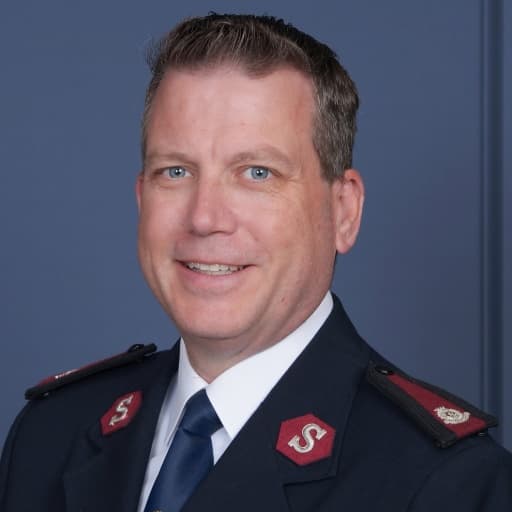
Richard Pease
Richard Pease

Major, CFE, MBA

menu_book1 courses

Richard L. Pease is a mission-driven nonprofit leader with experience in social services, emergency response operations, and organizational leadership. He currently serves in a leadership role with The Salvation Army Lodi Corps, where he is involved in community support programs, operational coordination, and service delivery for vulnerable populations. He has a background in nonprofit management and holds professional credentials including Certified Fraud Examiner (CFE) and an MBA. His work spans humanitarian services, disaster response coordination, and community outreach initiatives across multiple regions in the United States. Richard is recognized for his commitment to service-oriented leadership, with a focus on strengthening community programs, improving operational effectiveness, and supporting long-term social impact initiatives.

Credit Information

What Students Are Saying

0.0
Student's Choice
0 reviews

Frequently Asked Questions

We are a registered provider with 327+ associations and regulatory bodies worldwide. We operate across 29 global markets including Canada, the US, Australia, and the UK. Every course page clearly displays its specific accreditations. Upon completion, you receive a professional certificate that can be validated online. Our certificates include all necessary accreditation details, credit hours, and completion dates, and are formatted specifically to meet the submission requirements of most global regulatory bodies.

You May Also Like

Accounting & Tax: Technology for Accountants

Claude Fundamentals for Accountants (2026 Update)

star5.0(319)
2.5 CPD hrs
Accounting & Tax: Technology for Accountants

Claude Cowork in Practice: Advanced Workflows for Accountants

star5.0(163)
2.5 CPD hrs
Accounting & Tax: Technology for Accountants

AI for Advanced Accounting Research

star4.8(14)
2.5 CPD hrs